


ما الذي يجب علي فعله لاستخدام حوض استحمام ساخن خارجي؟
2026-11-11 15:35حوض الاستحمام الساخن الخارجي ليس مجرد قطعة من معدات الاستجمام، بل هو تركيب معقد يشمل تجهيز الموقع، والتوصيلات الكهربائية، وشبكات السباكة (إمدادات المياه والصرف الصحي)، وقدرة تحمل الهيكل، وإدارة السلامة. بالنسبة لمن يخططون لتركيب حوض استحمام ساخن خارجي في حديقة منزلية، أو فيلا، أو شرفة، أو فندق، فإن شراء الوحدة ليس سوى الخطوة الأولى. قبل استخدامه بانتظام، يجب التأكد من أن بيئة التركيب تلبي جميع المتطلبات اللازمة، وأن البنية التحتية الداعمة قادرة على تحمل تشغيل المعدات على المدى الطويل.
عند شراء حوض استحمام ساخن خارجي، يركز العديد من المستخدمين بشكل أساسي على الأبعاد، وعدد المقاعد، وعدد فوهات التدليك، وقوة المضخة، وأنظمة التدفئة، متجاهلين متطلبات التركيب العملية. على سبيل المثال: هل تتحمل الأرض وزن الحوض عند ملئه بالماء؟ هل النظام الكهربائي للمنزل قادر على تشغيل السخان والمضخات في آن واحد؟ هل نظام الصرف كافٍ؟ كيف يمكن حماية الأنابيب من التجمد في طقس الشتاء البارد؟
قد يؤدي إهمال معالجة هذه المشكلات مسبقًا إلى زيادة تكاليف التركيب، أو أعطال في المعدات، أو حتى مخاطر تتعلق بالسلامة. توضح هذه المقالة المتطلبات الأساسية لتركيب حوض جاكوزي خارجي - بما في ذلك اختيار الموقع، وقدرة التحمل، والإمداد الكهربائي، والتمديدات الصحية - وتقدم حلولًا مناسبة.
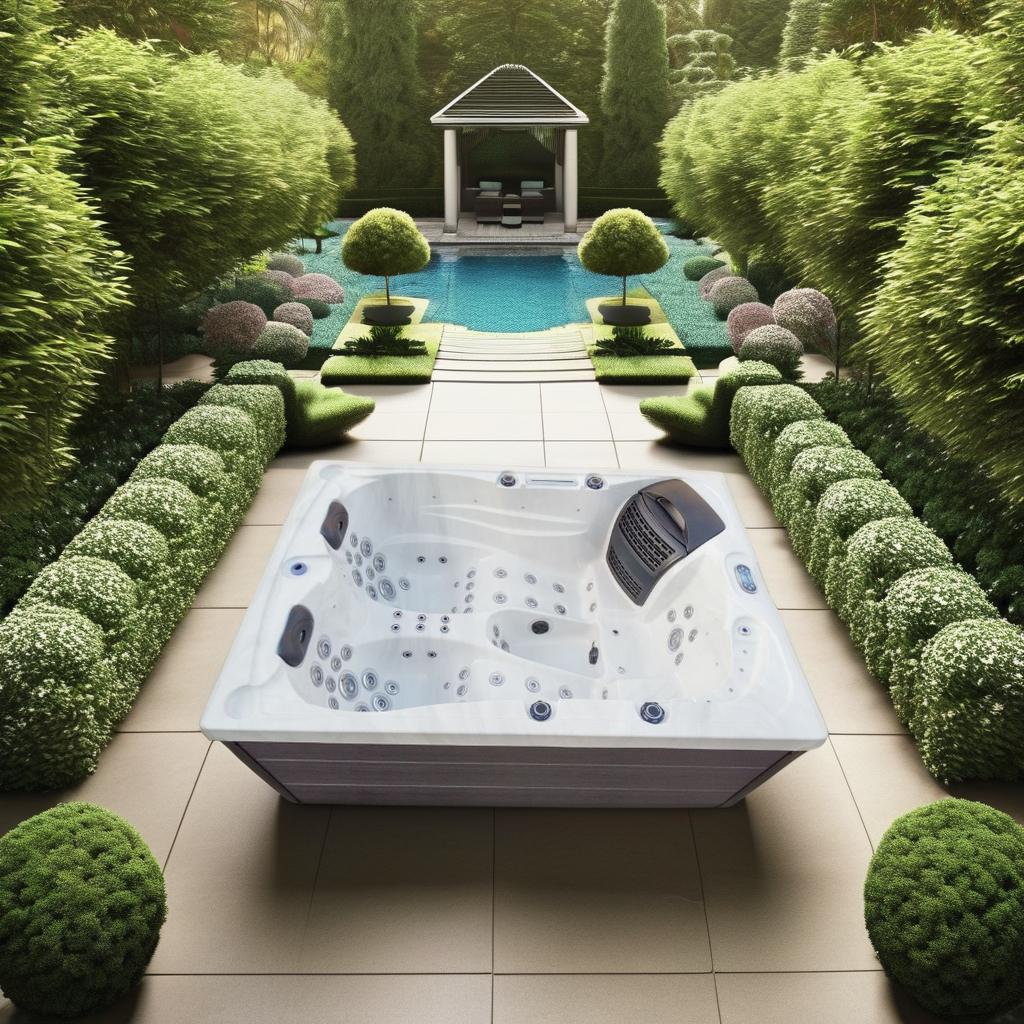
اختيار الموقع المناسب لحوض الاستحمام الساخن الخارجي
يُعدّ موقع التركيب العامل الأساسي الذي يُحدد مدى كفاءة عمل حوض الاستحمام الساخن الخارجي. فحتى مع شراء طراز فاخر، قد يُعيق الموقع غير المناسب الصيانة، ويُؤثر سلبًا على راحة المستخدم، ويُشكّل مخاطر على السلامة.
1. ضمان مساحة تركيب كافية
أحواض استحمام ساخنة خارجيةتتوفر بأحجام وسعات جلوس متنوعة. صُممت النماذج المنزلية عادةً لتتسع من شخصين إلى ستة أشخاص، بينما تتسع النماذج الأكبر حجماً لعدد أكبر. قبل الشراء، قِس مساحة التركيب المُرادة لديك وقارنها بالأبعاد الخارجية للمنتج، وتأكد من مراعاة المساحة التشغيلية اللازمة.
على سبيل المثال، بالنسبة لحوض استحمام ساخن بمساحة 2.0 متر × 2.0 متر، لا تقتصر المساحة المطلوبة على مساحة 4 أمتار مربعة فقط؛ بل يجب مراعاة مساحة كافية لدخول وخروج المستخدمين، ومساحة لفتح الغطاء، وسهولة الوصول للصيانة. وعلى وجه الخصوص، يجب التأكد من وجود مساحة كافية على الجانب الذي توجد فيه المضخات والسخان ونظام التحكم لتسهيل عمليات الإصلاح والصيانة المستقبلية. بالإضافة إلى ذلك، ينبغي إبقاء موقع التركيب بعيدًا قدر الإمكان عن المناطق المعرضة لتراكم المياه، لمنع تجمع مياه الأمطار أو مياه التنظيف في قاعدة الوحدة لفترات طويلة.
2. تأكد من وجود سطح مستوٍ وتهوية مناسبة
An outdoor spa hot tub must be installed on a level, solid surface. An uneven surface can cause uneven pressure on the base of the tub, increasing the risk of structural damage over time.
Common installation foundations include reinforced concrete platforms, strengthened decks, or specialized support platforms designed to meet load-bearing requirements.
If the installation area is semi-enclosed, consider ventilation and moisture removal. Prolonged exposure to high humidity can negatively affect the lifespan of surrounding building materials and electrical equipment.
3. Consider Privacy and Convenience
Outdoor whirlpool spa hot tubs are typically installed in courtyards, on balconies, or on terraces; therefore, the surrounding environment should be taken into account. It is advisable to choose an area that offers a degree of privacy, has adequate lighting, and allows for easy access.
If the unit is located too close to a bedroom or a neighbor’s home, noise from the water pump may cause a disturbance. This can be mitigated by adjusting the installation location, installing sound barriers, or opting for a low-noise pump.
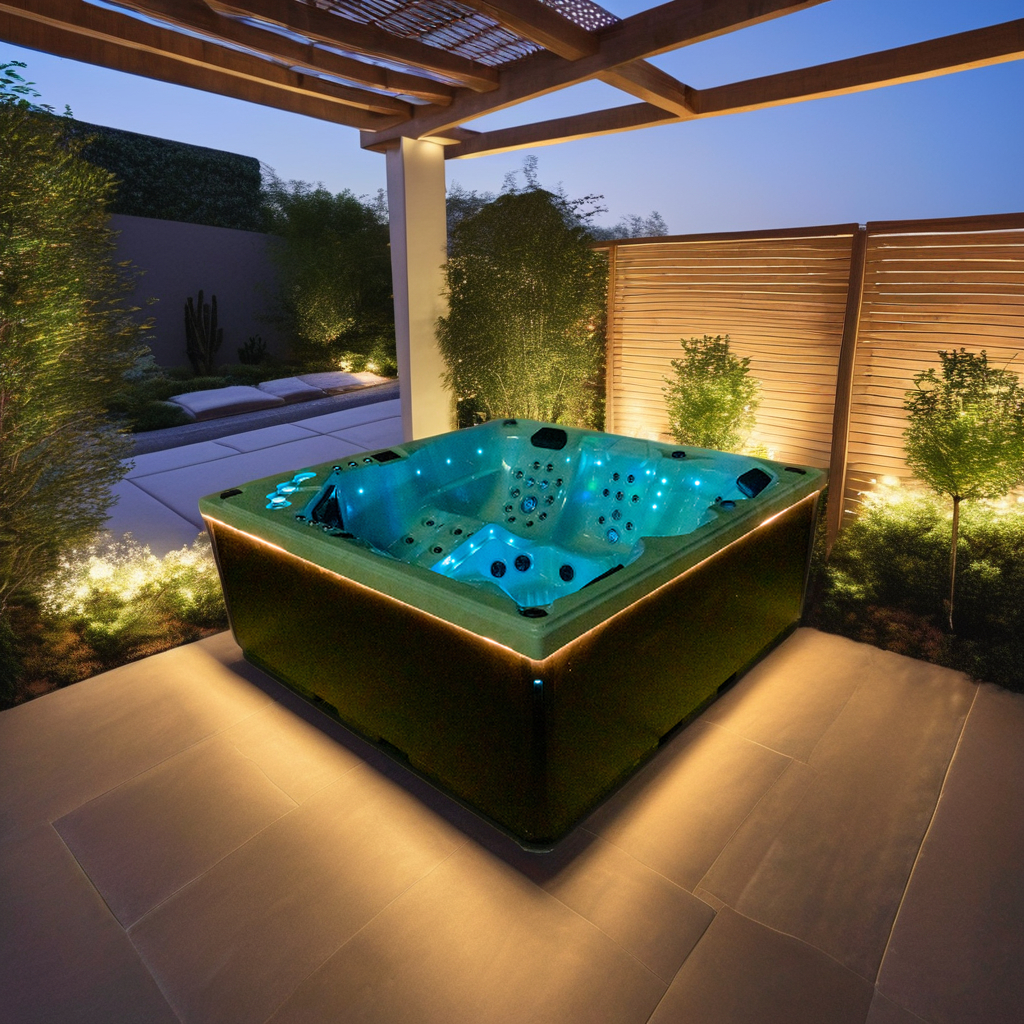
The Surface Must Have Sufficient Load-Bearing Capacity
Load-bearing capacity is one of the most frequently overlooked factors when installing an outdoor spa hot tub. Once filled with water and occupied by several users, the total weight of a standard hot tub can reach several tons.
1. Calculate the Operational Weight of the Unit
The total weight of an outdoor spa hot tub consists of the weight of the unit itself, the water, and the users.
The density of water can be estimated at 1 kg/L—meaning 1,000 liters of water weighs approximately 1,000 kg.
For example, consider the following weight specifications for a residential outdoor hot tub:
| Item | Weight |
| Empty Hot Tub Weight | 350 kg |
| Water Capacity | 1,200 L |
| Water Weight | 1,200 kg |
| Occupants (5 ร— 75 kg) | 375 kg |
| Total Operating Weight | 1,925 kg |
This indicates that the total weight of this outdoor spa hot tub during normal use is nearly 1.93 tons.
If the effective support area at the base of the unit is 4 square meters, the average load is approximately 481 kg/m². However, this is merely a preliminary estimate; in practice, one must also account for the base structure, load distribution, and the specific support conditions of the ground surface.
2. Choose a Reliable Foundation
For most ground-level installations, a well-designed reinforced concrete pad is a highly reliable foundation.
While some residential projects may use a concrete slab approximately 100–150 mm thick as a baseline, this is not a universal standard applicable to every installation environment. The actual thickness, steel reinforcement, and subgrade preparation must be determined based on the equipment's weight, soil conditions, and local building codes.
If the ground consists of soft soil or uncompacted fill, the subgrade must be properly prepared to prevent settlement over time.
3. Special Considerations for Balconies and Rooftop Terraces
إذا كنت تخطط لتركيب حوض استحمام ساخن خارجي على شرفة في الطابق الثاني أو على سطح مبنى، فإن التقييم الهيكلي الاحترافي إلزامي.
قد لا تكون الشرفات السكنية العادية مصممة لتحمل حمولة مركزة تصل إلى عدة أطنان. وحتى لو كانت مساحة السطح كبيرة، فلا يمكن تحديد السلامة بمجرد حساب متوسط الحمولة.
الحل: قبل التركيب، يجب تزويد مهندس إنشائي بوزن حوض الاستحمام الساخن الجاف، ووزنه عند ملئه، وأقصى عدد للأشخاص المسموح لهم بدخوله، وأبعاد قاعدته. يجب على المختص التحقق من أن بلاطات الأرضية والعوارض والهياكل الداعمة تستوفي المتطلبات اللازمة. يُنصح بشدة بعدم تركيب حوض استحمام ساخن كبير في الهواء الطلق على بلاطة أرضية مرتفعة أو سطح مبنى دون إجراء هذا التقييم.
يجب أن يفي النظام الكهربائي بالمتطلبات التشغيلية
تتطلب أحواض الجاكوزي الخارجية المزودة بنظام دوامات كهربائية لتشغيل مضخات المياه، والسخانات، وأنظمة الترشيح، ولوحات التحكم، والإضاءة. لذا، يجب التأكد من أن الدائرة الكهربائية في منزلك تتوافق مع مواصفات الجهاز قبل تركيبه.
1. تحقق من تصنيفات الجهد والطاقة
اعتمادًا على تصميم المنتج والسوق المستهدف، قد تتطلب أحواض الاستحمام الساخنة الخارجية تكوينات طاقة مختلفة، مثل 120 فولت أو 220 فولت أو 240 فولت.
| التكوين الكهربائي | التطبيق النموذجي |
| 120 فولت / 15 أمبير | أحواض استحمام ساخنة صغيرة سهلة التركيب والتشغيل |
| 220 فولت - 240 فولت / 30 أمبير | أحواض استحمام ساخنة سكنية مختارة |
| 220 فولت - 240 فولت / 40 أمبير | أحواض استحمام ساخنة متوسطة الحجم |
| 220 فولت - 240 فولت / 50 أمبير - 60 أمبير | أحواض استحمام ساخنة كبيرة |
الأمثلة المذكورة أعلاه هي أمثلة شائعة؛ يُرجى الرجوع دائمًا إلى المواصفات الفنية وتعليمات التوصيل الخاصة بالشركة المصنعة لمعرفة المتطلبات الدقيقة.
انتبه جيدًا إلى إمكانية تشغيل السخانات ومضخات المياه في آنٍ واحد. فإذا لم تكن الدائرة الكهربائية ذات سعة كافية، فقد يؤدي ذلك إلى انقطاع متكرر للتيار الكهربائي، أو بطء في التسخين، أو عدم قدرة الجهاز على التشغيل بشكل صحيح.
2. تركيب دائرة كهربائية مخصصة وحماية من التيار المتبقي
بالنسبة لأحواض الاستحمام الساخنة الخارجية التي تتطلب توصيلات كهربائية دائمة (سلكية)، يجب تركيب دائرة كهربائية مخصصة - مصممة وفقًا لمواصفات الجهاز. يجب أن تتضمن هذه الدائرة حماية مناسبة من التيار المتبقي، مثل قاطع دائرة التسرب الأرضي (GFCI).
نظراً لارتفاع نسبة الرطوبة في البيئات الخارجية وقربها من كميات كبيرة من المياه، تُعدّ السلامة الكهربائية أمراً بالغ الأهمية. تشمل الاعتبارات الرئيسية للتركيب ما يلي:
ليس بالضرورة. فبينما تُعدّ القاعدة الخرسانية أساسًا شائعًا، قد يُجدي استخدام سطح خشبي مُدعّم ومُصمّم باحترافية، أو أي هيكل مناسب آخر. الشرط الأساسي هو أن يكون الأساس قادرًا على تحمّل الوزن الإجمالي للوحدة عند ملئها بالماء، مما يُوفّر قاعدة متجانسة وثابتة.
س2: هل يمكن توصيل حوض الاستحمام الساخن الخارجي بمأخذ كهربائي منزلي قياسي؟
يعتمد ذلك على الجهد الكهربائي المُصنّف للجهاز ومتطلبات الطاقة. قد تكون الطرازات الصغيرة سهلة التركيب متوافقة مع منافذ الكهرباء المنزلية القياسية، لكن أحواض الجاكوزي الخارجية متوسطة إلى كبيرة الحجم تتطلب عادةً دائرة كهربائية مخصصة وجهاز حماية من التيار المتبقي (RCD/GFCI). استشر فني كهرباء متخصصًا قبل البدء.
س3: هل يمكن تركيب حوض استحمام ساخن خارجي على شرفة؟
نعم، ولكن فقط بعد إجراء تقييم لقدرة تحمل الهيكل. قد يصل وزن الوحدة الكبيرة إلى عدة أطنان عند ملئها بالماء؛ لذا يجب التأكد من أن بلاطة الأرضية والعوارض والهيكل الداعم يمكنها تحمل هذا الوزن بأمان.
س4: هل يجب تغيير الماء في حوض الاستحمام الساخن الخارجي يوميًا؟
عموماً، لا. مع ذلك، يجب عليك فحص جودة المياه بانتظام، وتنظيف المرشحات، وتغيير المياه بناءً على وتيرة الاستخدام وحالة المياه. اتبع توصيات الشركة المصنعة واللوائح الصحية المحلية فيما يتعلق بفترات الصيانة المحددة.
س5: هل يمكن استخدام حوض الاستحمام الساخن الخارجي المزود بنظام دوامات مائية خلال فصل الشتاء؟
نعم، بشرط أن تكون الوحدة مزودة بعزل حراري وحماية من التجمد مناسبة للمناخ المحلي، وأن يتم تشغيلها وفقًا لتعليمات الشركة المصنعة. في حال ترك الوحدة دون استخدام لفترة طويلة، يُرجى التأكد من تصريف جميع المياه المتبقية من أنابيب الدوران والمضخة.
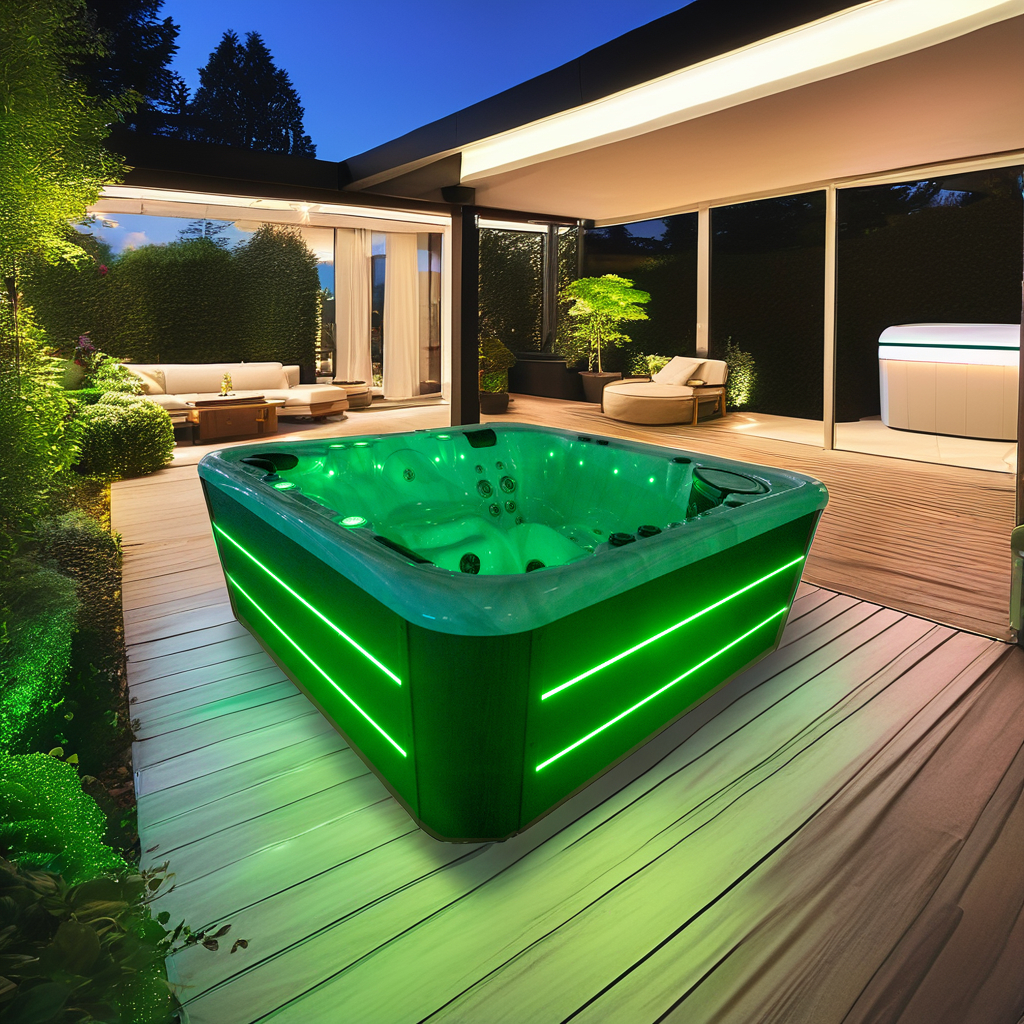
Plan Water Supply and Drainage in Advance
Although outdoor whirlpool spa hot tubs typically utilize a self-contained water circulation system, they still require reliable access to a water supply and a drainage point for initial filling, periodic water changes, and cleaning.
1. Ensure Access to a Reliable Water Source
Most residential outdoor whirlpool spa hot tubs can be filled using a standard garden hose; however, you should confirm the location of the water source and the adequacy of the supply beforehand.
For example, filling a whirlpool spa hot tub with a 1,200-liter capacity at a flow rate of 15 liters per minute would theoretically take approximately 80 minutes. The actual time may vary depending on water pressure and the diameter of the hose.
Use a clean water source and check the water quality before filling. If the local water supply has high hardness, it may lead to the buildup of limescale within the heater, jets, and internal plumbing.
2. Plan for Proper Drainage
Drainage is an aspect often overlooked when installing an outdoor spa hot tub.
A hot tub with a capacity of 1,500 liters generates approximately 1.5 tons of wastewater each time it is fully drained. If this water is discharged directly onto the ground in your yard, it can lead to pooling, muddy conditions, and potentially even damage to the building's foundation.
Before installation, verify the following:
•Is there a suitable drain nearby?
•Is the drainage piping sufficient to handle the volume of water?
•Does the discharge of wastewater comply with local regulations?
•Will the chosen drainage location negatively affect nearby structures or landscaping?
Please note that rainwater drainage systems and domestic sewage/wastewater systems are not necessarily interchangeable. Wastewater containing water-treatment chemicals—such as chlorine or bromine—must be disposed of in accordance with local environmental and drainage regulations.
Ensure Comprehensive Safety Measures
Because outdoor spa hot tubs involve high-temperature water, electrical equipment, and water circulation systems, safety cannot rely solely on the product itself; it must also be addressed through careful planning of the installation environment.
1. Install Safety Covers and Child-Proofing Features
For households with children, preventing unsupervised access to the spa hot tub is critical.
When the hot tub is not in use, the safety cover should be closed and locked. Where feasible, consider installing fencing, self-closing/self-latching gates, or other access-restriction measures.
The U.S. Consumer Product Safety Commission (CPSC) emphasizes a "layered" approach to water safety, rather than relying exclusively on adult supervision.
2. Regulate Water Temperature to Prevent Overheating
While most outdoor whirlpool spa hot tubs feature control panels for temperature adjustment, higher temperatures are not necessarily better.
The U.S. Centers for Disease Control and Prevention (CDC) recommends that spa hot tub water temperatures should not exceed 104°F (40°C). Excessive heat increases the risk of overheating and burns.
First-time users should consider starting at a lower temperature. Children, the elderly, and individuals with cardiovascular conditions or other health issues should be particularly cautious and, if necessary, consult with a medical professional before use. Additionally, using an outdoor whirlpool spa hot tub after consuming alcohol is not recommended, as the combination of alcohol and high temperatures can increase the risks of dehydration, impaired judgment, and accidental drowning.
3. Check the design of suction and drainage ports
Outdoor hot tubs generate water flow via pumps and circulation systems. If the suction ports are poorly designed, they may pose safety hazards, such as the risk of hair becoming entangled or a person’s body being held against a suction point.
When purchasing, ensure the unit is equipped with anti-entrapment drainage structures and suction port covers that meet relevant safety standards, as well as a well-designed water circulation system.
For commercial installations—such as those in hotels or resorts—ensure that safety designs also comply with local regulations governing public spa facilities.
4. Ensure non-slip flooring and adequate lighting
Water droplets and splashes often accumulate around a spa hot tub, making the ground slippery—especially when users are entering or exiting the unit.
It is advisable to install non-slip floor tiles or outdoor anti-slip mats in the surrounding area, and to provide stable steps or handrails for access. If the whirlpool spa hot tub is used at night, ensure there is sufficient lighting to prevent accidents caused by poor visibility.
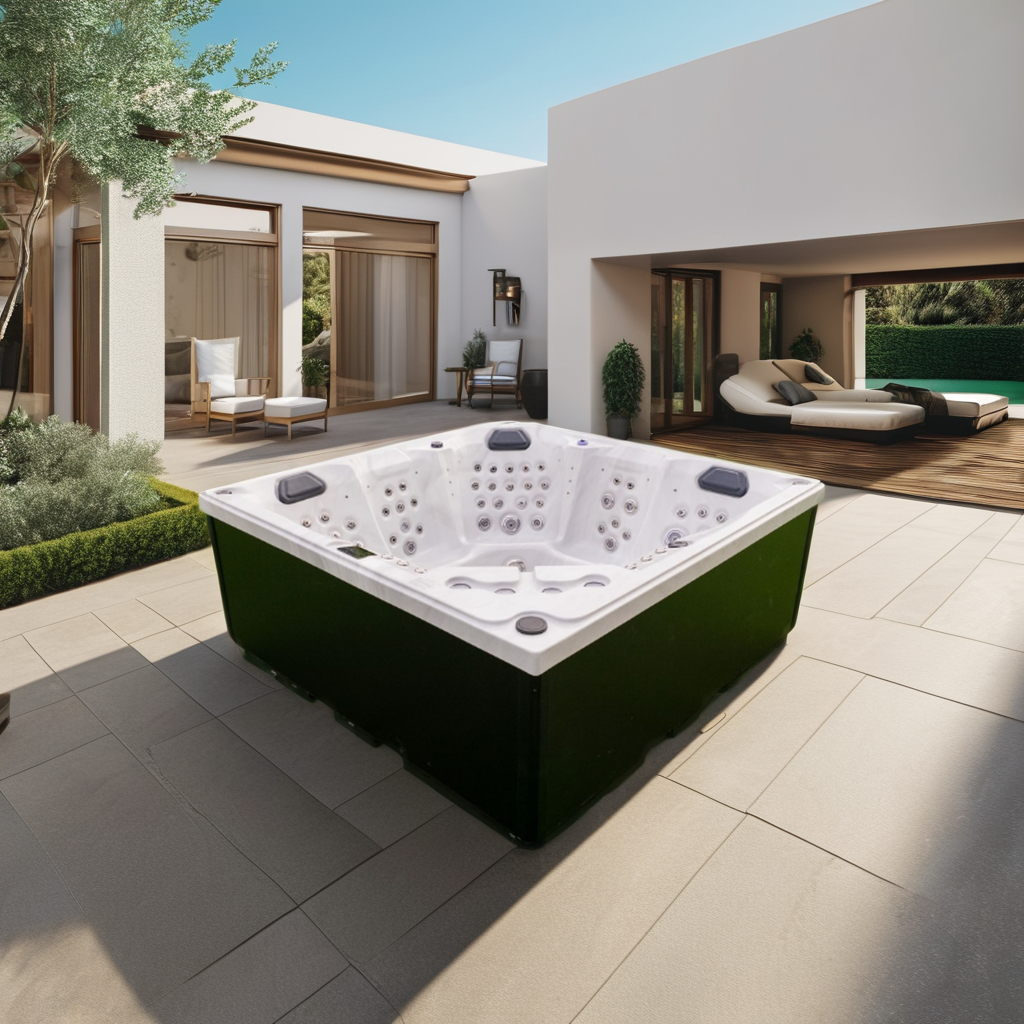
The outdoor environment must be suitable for long-term equipment operation
Unlike indoor units, outdoor spa hot tubs are constantly exposed to sunlight, rain, wind, dust, and temperature fluctuations. Therefore, environmental suitability is a critical factor to evaluate before installation.
1. Consider the impact of sunlight and UV radiation
Prolonged exposure to intense sunlight can accelerate the degradation of the whirlpool spa hot tub’s exterior shell, seals, and cover.
If the installation site receives high levels of direct sunlight, consider constructing a shade canopy or a pergola. However, ensure that any shading structures do not obstruct equipment ventilation, maintenance access, or the proper opening of the hot tub cover.
Additionally, when purchasing, verify the weather resistance of the hot tub’s shell, acrylic surface, insulation layer, and sealing materials.
2. Implement freeze protection for cold-weather environments
In colder regions, special attention must be paid to protecting the water pump, heater, and circulation piping from freezing.
If the equipment is shut down while water remains inside, the expansion of the water as it freezes can cause pipes to burst or the pump housing to crack.
The following measures are recommended:
•Choose products with effective thermal insulation;
•Verify whether the equipment is equipped with an automatic freeze-protection system;
•Use thermal covers suitable for the local climate;
•Operate the unit in accordance with the manufacturer’s instructions during cold weather;
•Drain all residual water from the pump and circulation piping if the unit is to be left unused for an extended period.
Please note that draining the water from the spa hot tub basin does not mean the circulation system is completely empty. Residual water may remain inside the pipes and the pump; therefore, if the unit is to be taken out of service for the winter, follow the manufacturer’s instructions for comprehensive winterization (freeze-protection).
FAQ: Common Questions Regarding Outdoor Hot Tub Usage
Q1: Is a concrete base required for installing an outdoor hot tub?
Not necessarily. While a concrete pad is a common foundation, a professionally designed, reinforced wooden deck or other suitable structure may also work. The essential requirement is that the foundation must be able to support the total weight of the unit when filled with water, providing a uniform and stable base.
Q2: Can an outdoor spa hot tub be connected to a standard household power outlet?
This depends on the unit’s rated voltage and power requirements. Small, "plug-and-play" models may be compatible with standard household outlets, but medium-to-large outdoor whirlpool spa hot tubs typically require a dedicated circuit and a residual current device (RCD/GFCI). Consult a professional electrician beforehand.
Q3: Can an outdoor spa hot tub be installed on a balcony?
Yes, but only after a structural load-bearing assessment has been conducted. A large unit can weigh several tons when filled with water; you must verify that the floor slab, beams, and supporting structure can safely accommodate this weight.
Q4: Does the water in an outdoor spa hot tub need to be changed daily?
Generally, no. However, you must regularly test the water quality, clean the filters, and replace the water based on usage frequency and water condition. Follow the manufacturer’s recommendations and local health regulations regarding specific maintenance intervals.
Q5: Can an outdoor whirlpool spa hot tub be used during the winter?
Yes, provided the unit features thermal insulation and freeze-protection suitable for the local climate, and is operated according to the manufacturer’s instructions. If the unit is to be left unused for an extended period, ensure that all residual water is drained from the circulation piping and the pump.